

Coronavirus: Advice for people living with diabetes
16 June 2020
Here are some helpful tips on what precautions you should take, and what you need to know The World Health Organization (WHO) declared that spread of the coronavirus as a pandemic in March, and and most countries have seen outbreaks. Although the UK is seeing a decline in the number of new cases and hospitalisations, we all still need to be careful and try to reduce the spread of the virus as much as possible. People with diabetes are classed by the NHS and UK Government as 'clinically vulnerable' Although this means someone with diabetes is not required to shield themselves, they are...
Read More
Well equipped for an enjoyable trip
Travelling and going on holiday is what many of us enjoy most of all. From exploring foreign countries, experiencing new cultures, seeing impressive places of interest, and enjoying the variety of local cuisines, having diabetes shouldn’t hold you back. Accu-Chek would like to help you plan a well organised trip, and have a Travel Pack available to give you advice and tips on diabetes and travelling. Provided in the pack is: The Accu-Chek Travel Guide - includes basic information and tips on diabetes and travelling The Accu-Chek Phrase Booklet to help manage language barriers...
Read More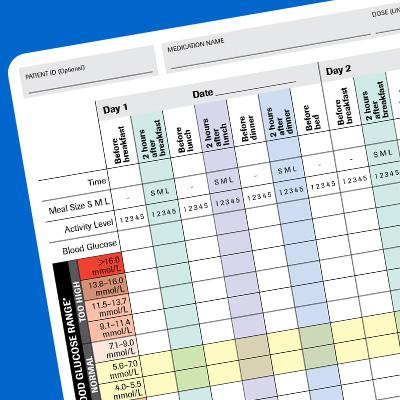
Accu-Chek 360° View tool
Using a structured way of checking blood glucose (for example, the Accu-Chek 360° View tool) could help you reduce your HbA1c and have more meaningful conversations with your healthcare professional during your diabetes appointments.1 Bring more value to your blood glucose values One blood glucose value from a check does not tell you the whole story. When you consistently check at the right time, blood glucose patterns emerge. This can give you a better understanding of the fluctuations in your blood glucose which are linked to your daily habits. If you prefer a paper option, the Accu-Chek...
Read More
What are the signs of diabetes?
Diabetes is where blood glucose (or sugar) levels run too high. Diabetes currently affects 425 million adults worldwide and is expected to increase to 649 million by 2045.1 In the UK, there are currently almost 3.7 million people currently diagnosed with diabetes2 and that figure is expected to grow to over five million by 2025.3 There are a few different types of diabetes but the three most common are: Type 1 diabetes Type 1 diabetes occurs when an individual's immune system destroys the cells in the pancreas that create insulin.4 It is currently unknown...
Read More
Blood glucose monitoring
If you take certain medication, having knowledge of your blood glucose levels is an integral part of having diabetes. It helps you understand what your blood glucose levels in your body are doing in response to food, exercise and other factors that affect blood glucose. There are a few ways to check your blood glucose levels, these include flash glucose monitoring, continuous glucose monitoring or traditional finger prick checking. It depends on your diabetes and your therapy but if you are on insulin, checking will be part of your day to day routine. What can I use to help...
Read More
Driving and diabetes
Having diabetes doesn’t automatically mean you cannot drive. There are things you need to know and depending on your diabetes therapy you may need to be monitoring at certain times. Having diabetes requires you to be aware of your condition whilst driving on the road. Great news - giving you a choice of how to check! As of February 2019, the DVLA has changed the rules on driving with insulin treated diabetes.1 If you do have insulin treated diabetes and drive a car or motorcycle (Group 1 licence) you now have a choice how you check blood glucose levels. You can check with...
Read More
Carbohydrate counting tool
Use our handy tool below to find out how carbohydrate counting could benefit you. This interactive training tool covers a wide range of topics to do with carb counting including: The basics of carb counting Factors affecting blood glucose Types of food & carb content 5 ways to count carbs Eating out Quizzes Start now
Read More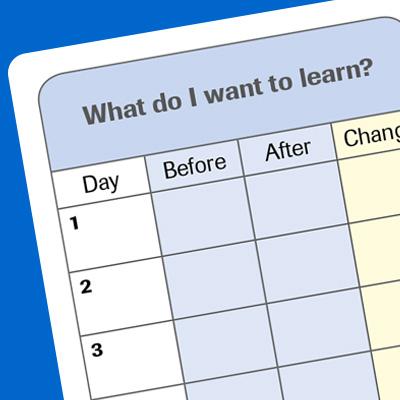
Accu-Chek Testing in Pairs tool
You’ll see the difference with before-and-after monitoring. Testing in Pairs is a paper tool designed to help you see changes in your blood sugar before and after a specific meal, exercise, or other event. Use it regularly to discover how things in your daily routine can affect your blood sugar. No day with diabetes is ever the same, the Accu-Chek Testing in Pairs tool can be used to analyse meals, activity, stress and other events: Food and drinks- how does a certain food or alcohol affect your blood sugar? Exercise- how do certain activities affect you? Daily life- if you try...
Read More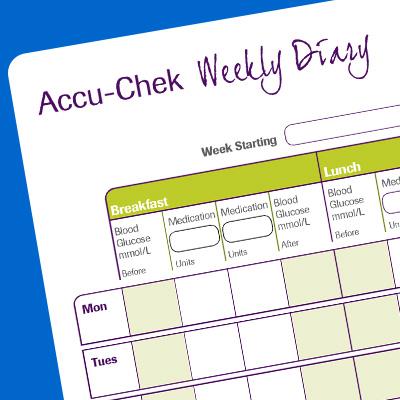
Accu-Chek Diaries
Use this diary template to record your blood glucose measurements, your medical doses and any comments you want to keep. This is provided in a weekly format, and a large print daily sheet. Download weekly format (PDF, 159 kb) Download large print daily sheet (PDF, 69 kb) Other...
Read More
Well equipped for an enjoyable trip
Travelling and going on holiday is what many of us enjoy most of all. From exploring foreign countries, experiencing new cultures, seeing impressive places of interest, and enjoying the variety of local cuisines, having diabetes shouldn’t hold you back. Accu-Chek would like to help you plan a well organised trip, and have a Travel Pack available to give you advice and tips on diabetes and travelling. Provided in the pack is: The Accu-Chek Travel Guide - includes basic information and tips on diabetes and travelling The Accu-Chek Phrase Booklet to help manage language barriers...
Read More
Accu-Chek 360° View tool
Using a structured way of checking blood glucose (for example, the Accu-Chek 360° View tool) could help you reduce your HbA1c and have more meaningful conversations with your healthcare professional during your diabetes appointments.1 Bring more value to your blood glucose values One blood glucose value from a check does not tell you the whole story. When you consistently check at the right time, blood glucose patterns emerge. This can give you a better understanding of the fluctuations in your blood glucose which are linked to your daily habits. If you prefer a paper option, the Accu-Chek...
Read More
What are the signs of diabetes?
Diabetes is where blood glucose (or sugar) levels run too high. Diabetes currently affects 425 million adults worldwide and is expected to increase to 649 million by 2045.1 In the UK, there are currently almost 3.7 million people currently diagnosed with diabetes2 and that figure is expected to grow to over five million by 2025.3 There are a few different types of diabetes but the three most common are: Type 1 diabetes Type 1 diabetes occurs when an individual's immune system destroys the cells in the pancreas that create insulin.4 It is currently unknown...
Read More Blood glucose monitoring
If you take certain medication, having knowledge of your blood glucose levels is an integral part of having diabetes. It helps you understand what your blood glucose levels in your body are doing in response to food, exercise and other factors that affect blood glucose. There are a few ways to check your blood glucose levels, these include flash glucose monitoring, continuous glucose monitoring or traditional finger prick checking. It depends on your diabetes and your therapy but if you are on insulin, checking will be part of your day to day routine. What can I use to help...
Read More
Driving and diabetes
Having diabetes doesn’t automatically mean you cannot drive. There are things you need to know and depending on your diabetes therapy you may need to be monitoring at certain times. Having diabetes requires you to be aware of your condition whilst driving on the road. Great news - giving you a choice of how to check! As of February 2019, the DVLA has changed the rules on driving with insulin treated diabetes.1 If you do have insulin treated diabetes and drive a car or motorcycle (Group 1 licence) you now have a choice how you check blood glucose levels. You can check with...
Read More
Carbohydrate counting tool
Use our handy tool below to find out how carbohydrate counting could benefit you. This interactive training tool covers a wide range of topics to do with carb counting including: The basics of carb counting Factors affecting blood glucose Types of food & carb content 5 ways to count carbs Eating out Quizzes Start now
Read More
Accu-Chek Testing in Pairs tool
You’ll see the difference with before-and-after monitoring. Testing in Pairs is a paper tool designed to help you see changes in your blood sugar before and after a specific meal, exercise, or other event. Use it regularly to discover how things in your daily routine can affect your blood sugar. No day with diabetes is ever the same, the Accu-Chek Testing in Pairs tool can be used to analyse meals, activity, stress and other events: Food and drinks- how does a certain food or alcohol affect your blood sugar? Exercise- how do certain activities affect you? Daily life- if you try...
Read More Accu-Chek Diaries
Use this diary template to record your blood glucose measurements, your medical doses and any comments you want to keep. This is provided in a weekly format, and a large print daily sheet. Download weekly format (PDF, 159 kb) Download large print daily sheet (PDF, 69 kb) Other...
Read More