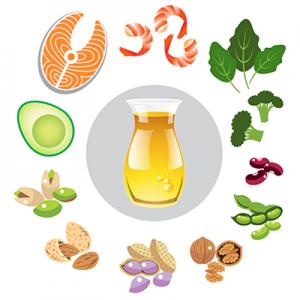
Fats generally get a reputation for being unhealthy, but they are actually an important part of our diet. They provide our bodies with energy, carry important vitamins around the body and help it to use them, as well as providing essential fats that can’t be made by the body itself.
As with anything, although fats are important, eating too much or not eating the right balance of them can be unhealthy. That’s why it’s important to know about the different fats that are found in foods and their health impact.
Types of fats
There are a few different types of fats that can be found in the foods you eat. Looking at the ingredients list on the packaging of foods can help you identify the fats that are included in them.
- Saturated Fats
These are often referred to as less healthy fats, as they have been linked with increased LDL cholesterol and an increased risk of heart disease, stroke and breast cancer. Saturated fats are generally found in animal products, such as meat and dairy products and the products that contain them, but they can also be found in some vegetable fats (e.g. coconut oil). You can identify these fats fairly easily as they generally remain solid at room temperature. - Trans Fats
Like saturated fats, these are also linked with an increase in LDL cholesterol, but an even bigger increase. Trans fats are sometimes naturally present in meat and dairy products, but they are also occasionally used in the form of “partially hydrogenated” fats as a preservative in processed foods. However, most manufacturers now either avoid or limit the use of hydrogenated fats in their products. - Unsaturated Fats
There are two types of unsaturated fats; polyunsaturated and monounsaturated. Polyunsaturated fats have been linked with a reduction in both LDL and HDL cholesterol, and can be found in plant based products such as sunflower and sesame oil. Monounsaturated fats, however, have been linked with a reduction in LDL cholesterol without impacting HDL cholesterol, and can be found in olives, avocados, some nuts and seeds and their related products. Because they have a positive impact on cholesterol, saturated fats are considered to be more healthy than unsaturated fats. - Essential Fatty Acids
These are nutrients, such as Omega-3, that our bodies need and are unable to make enough of themselves. There are a number of different types of these fatty acids, with different ones being linked with increased metabolism, reduced cholesterol, reduced risk of heart disease and healthy child development during pregnancy and breastfeeding. These essential fatty acids can be found in oily fish, some nuts and seeds, some vegetable oils, soya products and green leafy vegetables as well as some enriched foods such as eggs.
Fats in your diet
We already know that fats are important nutrients in our bodies. Most people do already meet the recommendations for fats in our daily diet, but the level of saturated fat eaten is still higher than recommended in a large proportion of the population. This high saturated fat intake can be linked with increased cholesterol and also weight gain, which in turn can increase the risk of joint problems, heart disease and some cancers.
We all have a different relationship with food, for most people it is more than simply the nutrients it provides our bodies with, and we know that it is not always possible or realistic that the healthiest option is the most suitable for you and your family. However, we hope that the information in this article will help you make informed decisions about what foods you eat and that you might consider some simple swaps in the future.
The facts about fats